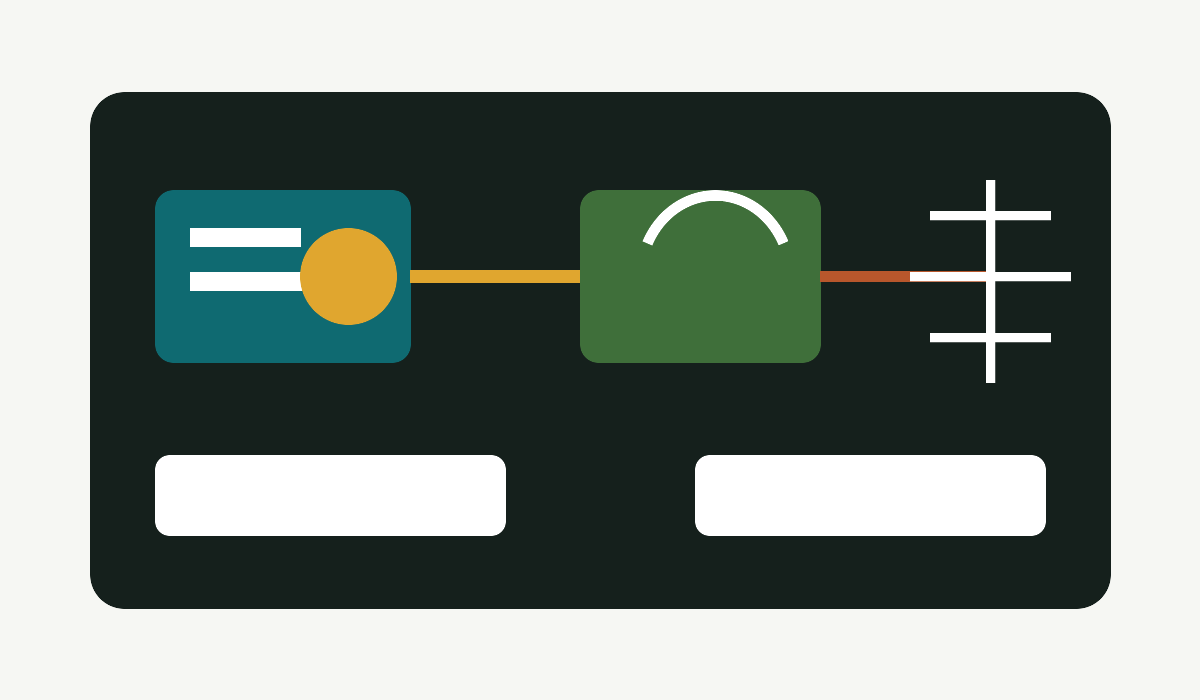
The Smith-Manley radio bench is not one narrow thing. It is operating, listening, experimenting,
documenting, and making the station more useful one small improvement at a time.
Antennas
Practical antennas
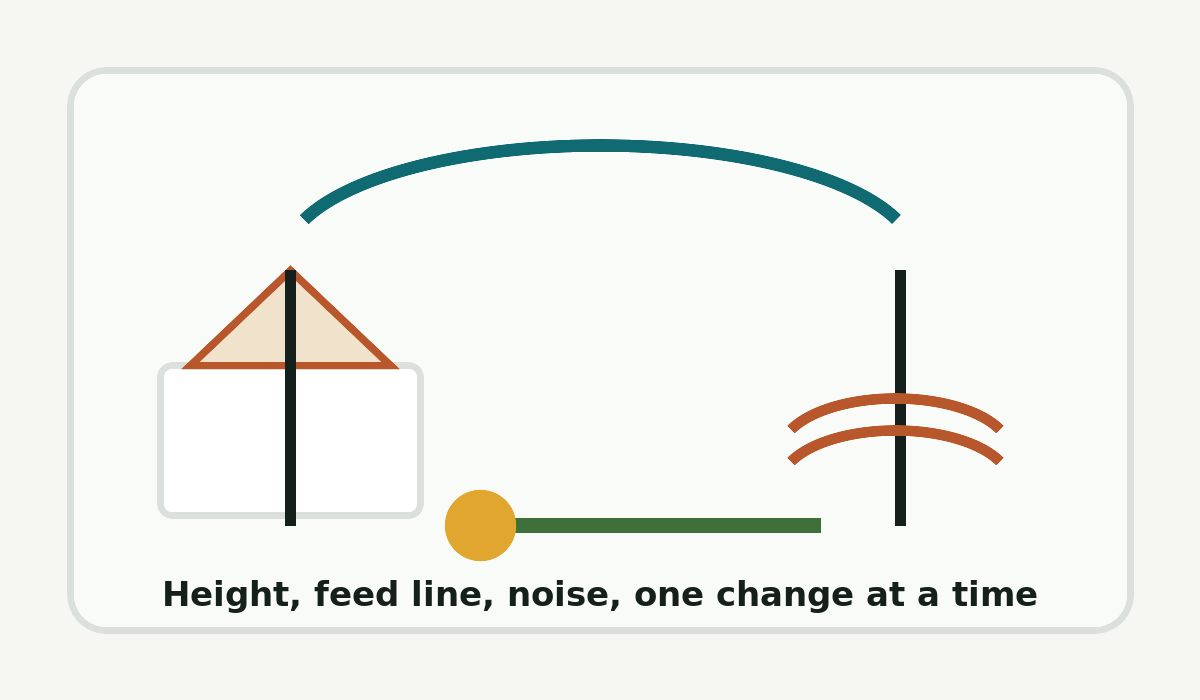
Wire antennas, verticals, mag mounts, ground planes, attic compromises, feed-line choices,
ferrites, grounding, and placement tests. The best antenna is often the one you can install,
tune, improve, and understand.
SDR
Software-defined radio
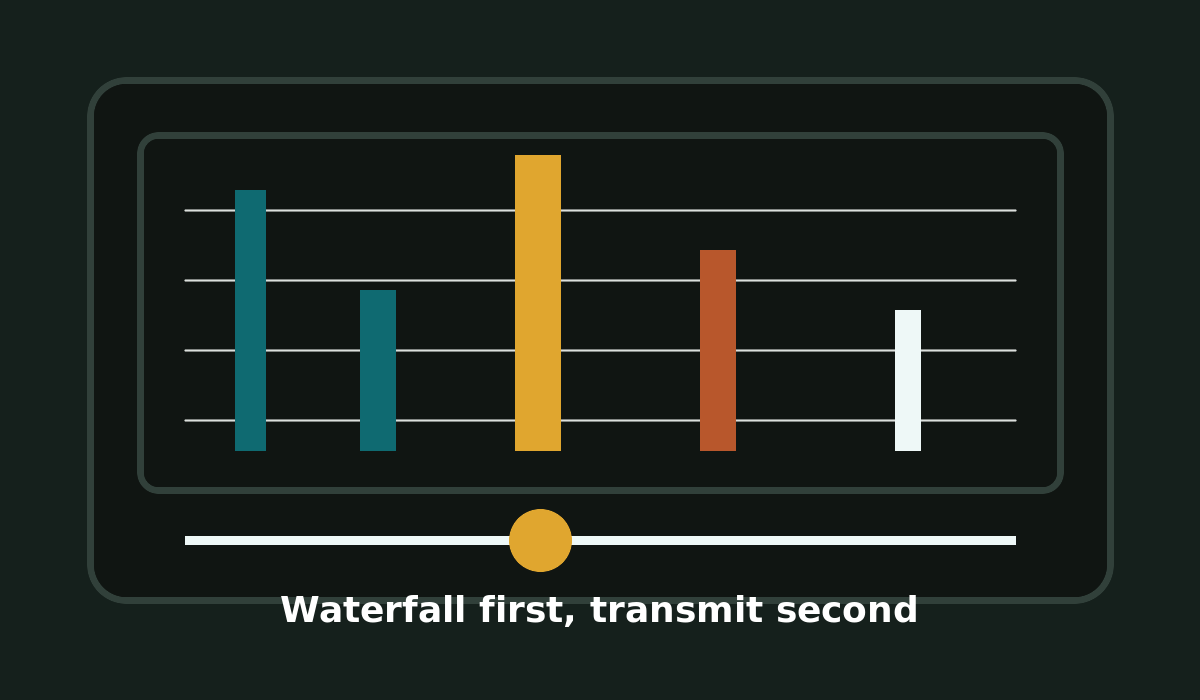
SDR makes the band visible. Waterfalls help spot activity, noise, drift, nearby interference,
and weak signals that might be missed by tuning quickly across a band.
Portable
Portable and backup radio
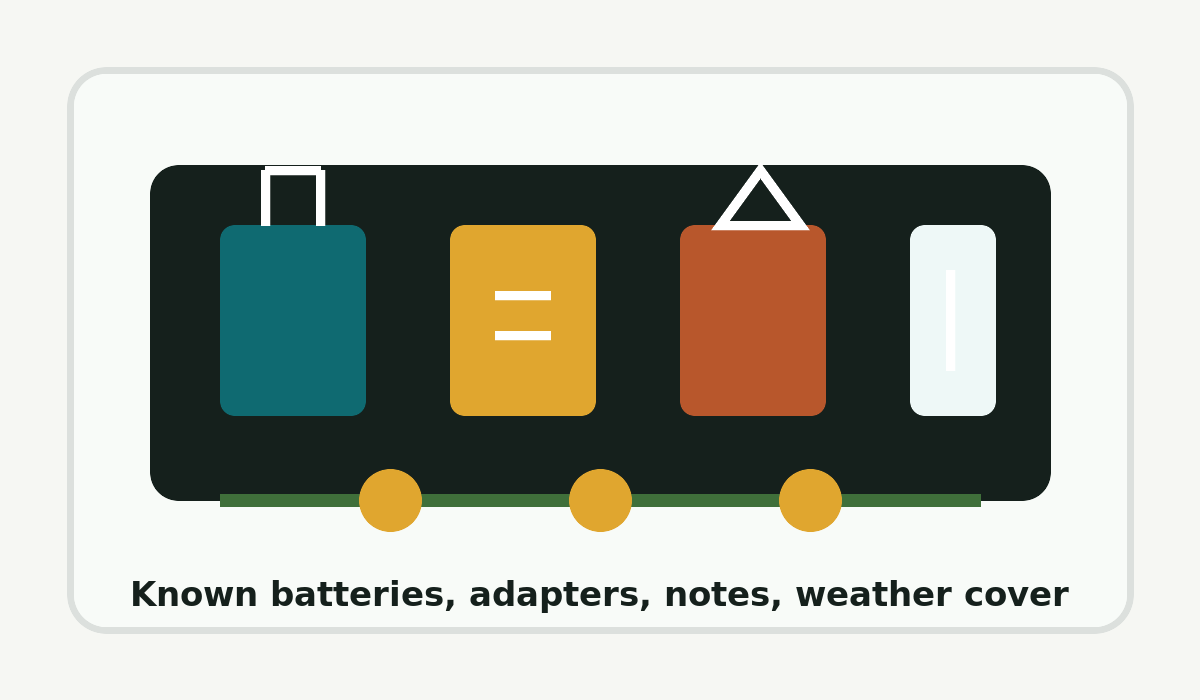
Small kits teach discipline: charged batteries, coax adapters, printed frequencies, compact
antennas, weather protection, and a logging method that works without internet access.
APRS
Position and packet ideas
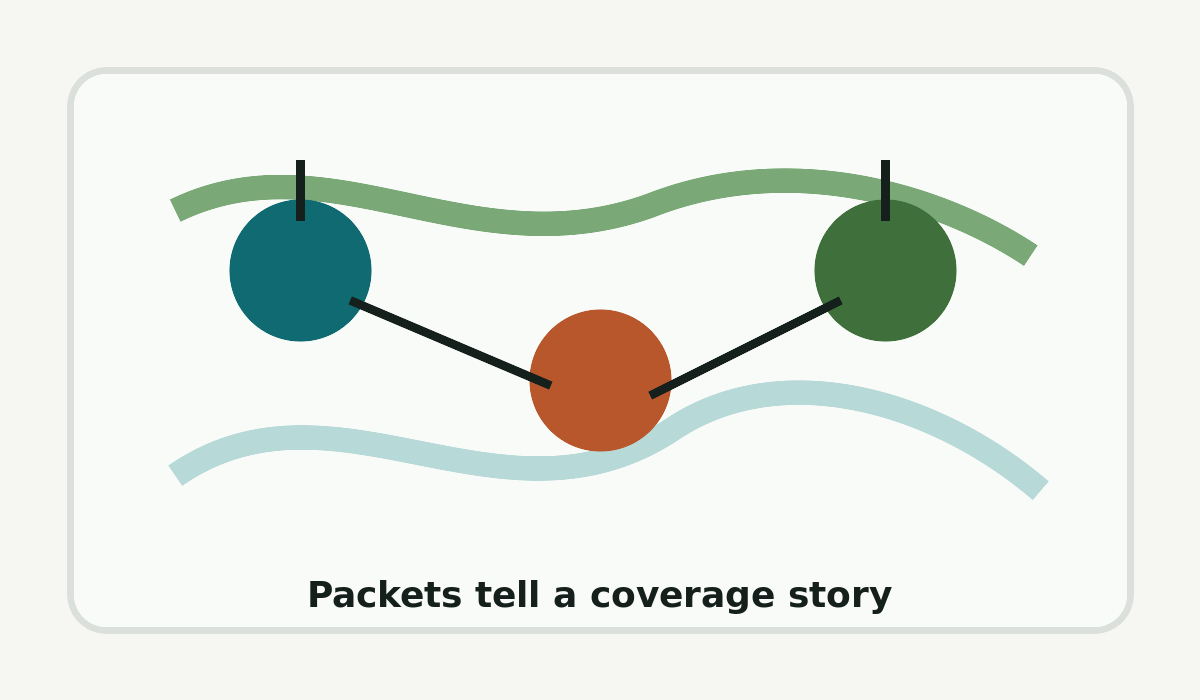
APRS and packet-style work connect radio with maps, short messages, digipeaters, and practical
local coverage testing. It is a good way to learn how VHF behaves in the real world.
Weather
Weather and readiness
Radio is useful when weather turns rough. We care about situational awareness, local nets,
backup power, simple checklists, and gear that can be operated under stress.
Logs
Logging and station memory
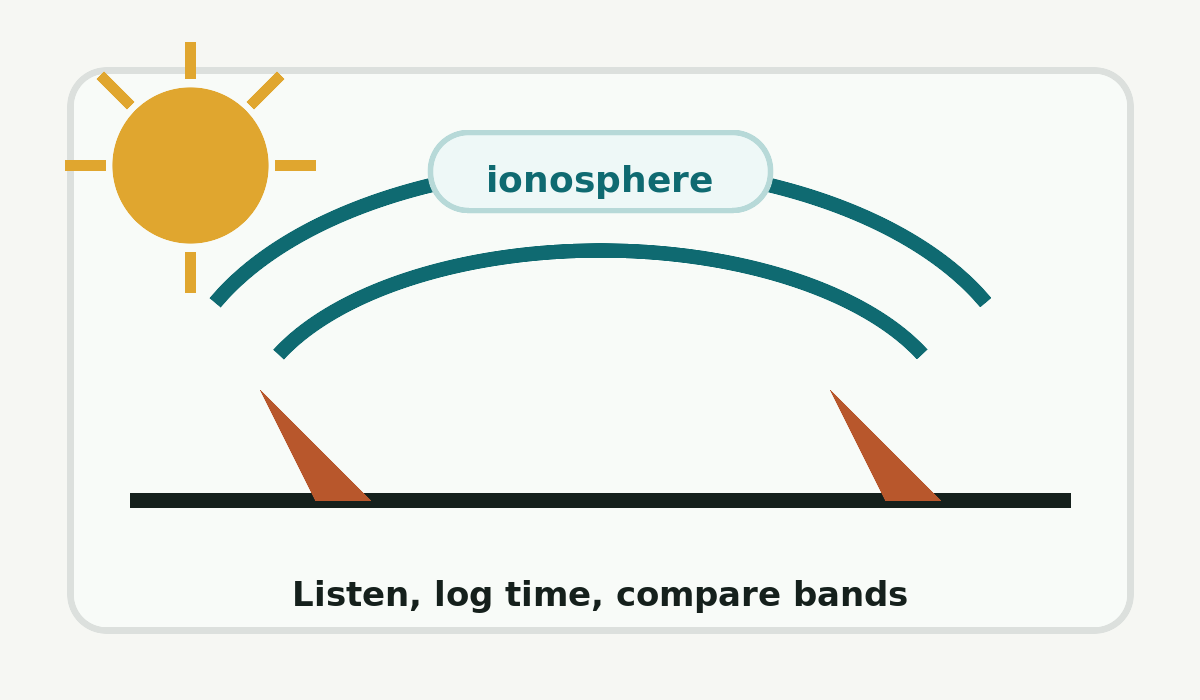
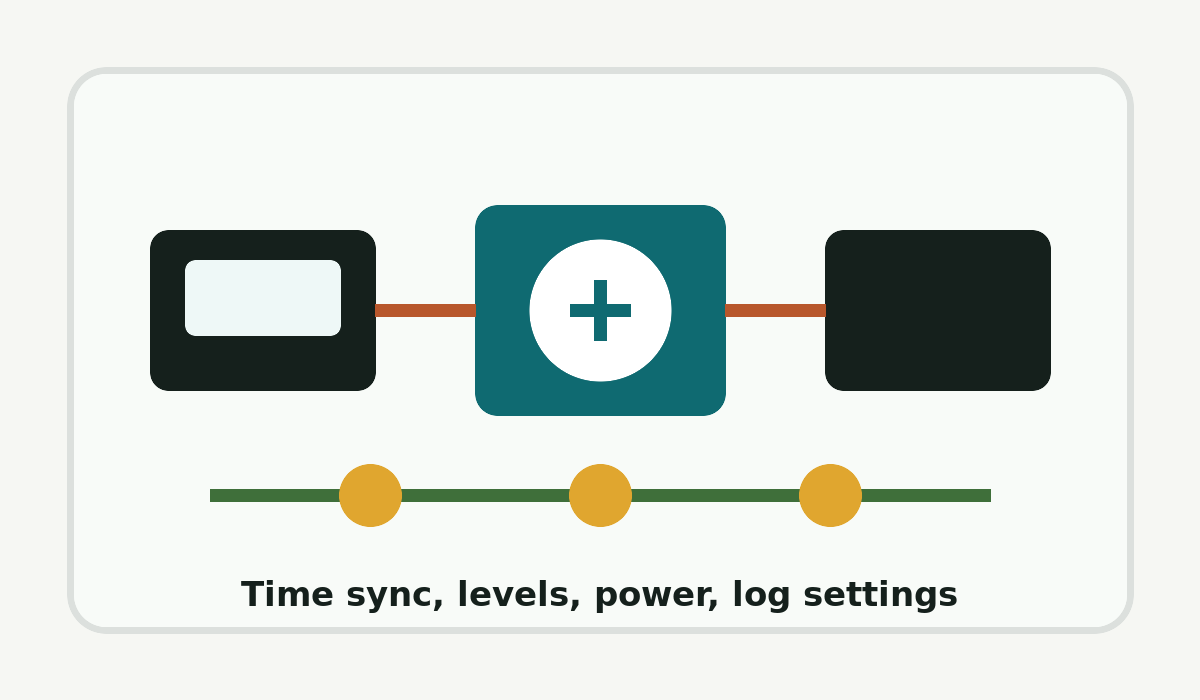
A good log is a learning tool. It records band, time, antenna, power, mode, signal reports,
weather, and what changed since the last attempt.